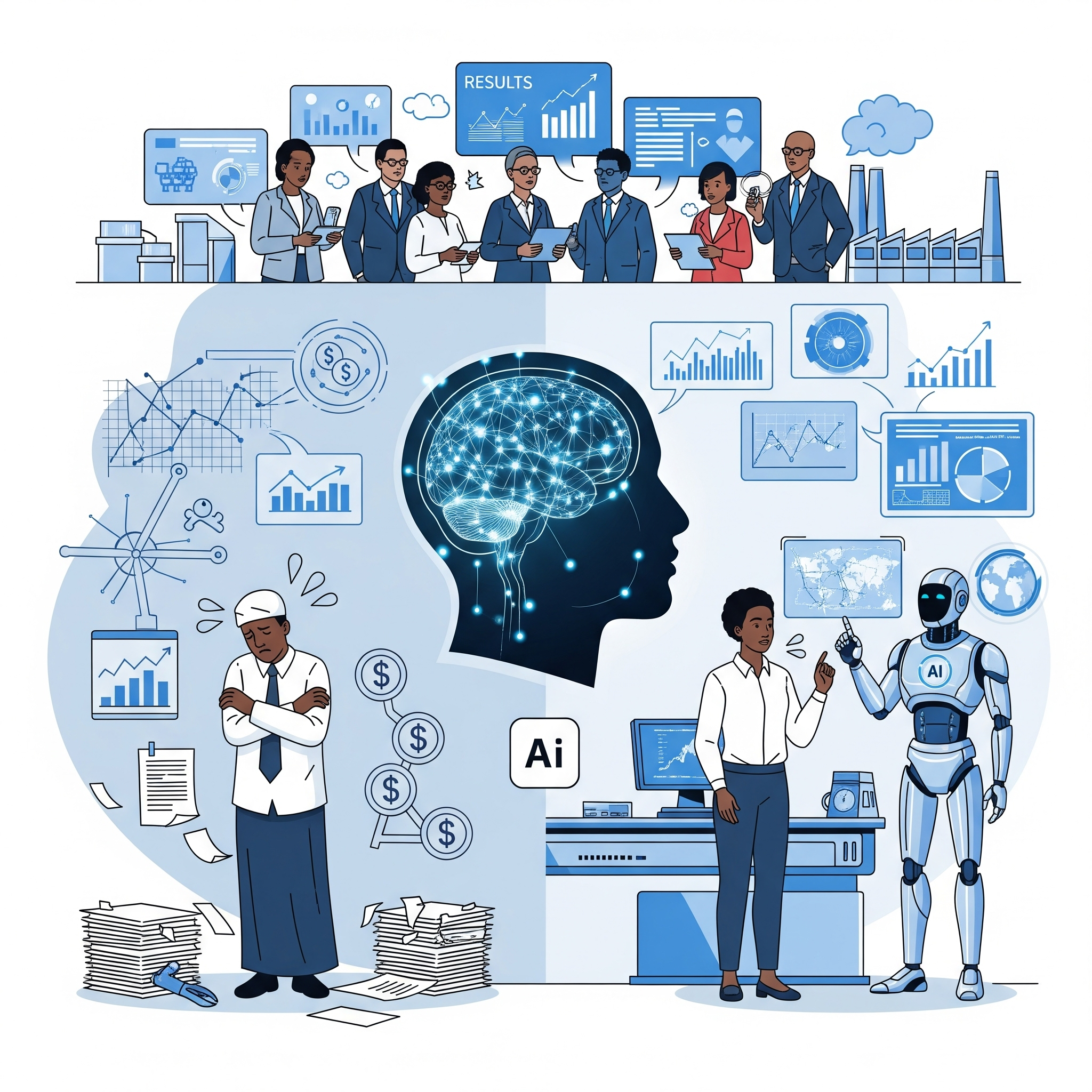
In 2025, the IT consulting industry is undergoing a seismic shift, driven by the transformative power of Generative AI. Gone are the days when consultants were primarily valued for their ability to maintain legacy systems or troubleshoot network issues. Today, the role has evolved into that of a strategic navigator, helping organizations integrate complex AI models into their core business processes. This revolution isn't just about using a new tool; it's about reimagining what is possible when human expertise is augmented by machine intelligence. As we look toward the future, the consultants who thrive will be those who embrace this change as a powerful opportunity to provide unprecedented value.
The Shift from Maintenance to Strategic Innovation
The traditional model of IT consulting often focused on reactive problem-solving—fixing what was broken or implementing standard software packages. In 2025, Generative AI has automated many of these routine tasks. Automated diagnostic tools can now identify and fix system vulnerabilities before a human even notices them. This shift allows consultants to move 'up the value chain.' Instead of spending hours on manual configurations, they are now designing bespoke AI strategies that drive revenue and improve customer experience. The consultant is no longer just a technical resource; they are a business partner focused on innovation and competitive advantage.
Automating the Software Development Life Cycle
One of the most visible impacts of Generative AI in IT consulting is within software development. AI-powered coding assistants have moved beyond simple auto-complete to generating entire modules based on natural language descriptions. For consultants, this means the 'time to market' for custom solutions has been slashed. We can now prototype, test, and deploy applications at a fraction of the traditional cost and time. However, this automation increases the importance of high-level oversight. Consultants must focus on software architecture, ensuring that AI-generated code is secure, scalable, and maintainable over the long term. The 'seismic shift' here is moving from 'writing code' to 'architecting systems.'
Generative AI in Data Analysis and Business Intelligence
Data has always been the lifeblood of IT consulting, but Generative AI has changed how we interact with it. In 2025, consultants are using AI to perform deep, conversational data analysis. Instead of generating static reports, clients can now 'ask' their data questions in plain English and receive instant, visualized insights. This democratizes data across the organization. IT consultants play a vital role in building the underlying data pipelines and ensuring that the AI models have access to high-quality, clean data. By leveraging Generative AI, consultants can uncover hidden patterns and trends that were previously buried in massive datasets, providing clients with a roadmap for growth.
Overcoming Resistance to AI Integration
Despite the clear benefits, the road to AI integration is often met with cultural and technical resistance. Many organizations fear the complexity and potential risks associated with Generative AI, such as data privacy and algorithmic bias. This is where the modern IT consultant becomes an essential educator and strategist. They must address these concerns by implementing robust AI governance frameworks and ensuring that AI adoption is transparent and ethical. By acting as a bridge between the technology and the people who use it, consultants help organizations overcome the 'fear factor' and fully embrace the transformative potential of these new tools.
The Evolving Role of the IT Consultant in 2025
As we navigate through 2025, the very definition of an IT consultant continues to expand. The job now requires a blend of technical proficiency, business acumen, and psychological insight. Consultants must understand the nuances of various AI models—from large language models to specialized image generation tools—and know how to combine them to solve specific business problems. Furthermore, they must be adept at 'prompt engineering' and training staff to interact effectively with AI systems. The consultant of 2025 is a coach, a strategist, and an architect all rolled into one, guiding businesses through the complexities of the digital age.
Conclusion
The revolution of IT consulting through Generative AI is not a distant possibility; it is the current reality of 2025. This seismic shift is empowering consultants to deliver more creative, efficient, and impactful solutions than ever before. While the technology is powerful, the human element remains irreplaceable. The most successful consultants will be those who use AI to amplify their expertise, focusing on the strategic and ethical considerations that machines cannot navigate alone. By embracing this transformative era, IT consulting is not just surviving the AI wave—it is leading the charge into a new frontier of business excellence.